
Narrative
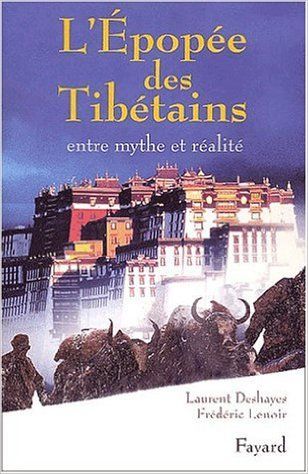
Fayard, September 2002
Presentation
It's a David and Goliath story. A small people steeped in spirituality and threatened with extermination by the materialistic power of China, Tibet holds a very particular place on the world stage: its media prominence in the West is disproportionate to its demographic or economic weight. This Western interest in the land of snow is not new. For centuries, intellectuals, missionaries, travelers, novelists, and adventurers have been captivated by Tibet and have most often tried, in vain or at the risk of their lives, to penetrate it. From the failures of these expeditions arose a powerful myth: that of Tibet as the last sacred land of humanity. From Father Huc to Hergé, via James Hilton, this myth of Tibet grew during the 20th century, taking on a tragic tone with the brutal invasion by China in 1950. Living today in diaspora, Tibetan lamas spread their spiritual wisdom to millions of Westerners in search of spirituality, but also deeply marked by the myth.
For the first time, this book tells a dual story: that of the real Tibet, a true feudal society marked by a unique religious culture, and that of the mythical Tibet as it is dreamed and fantasized. By untangling the interwoven threads of reality and imagination, it allows us to understand the deep-seated fascination with this country and reveals the true face of a people all the more endearing for being portrayed with their courage, but also with their contradictions, their shadows, and their doubts. A work worthy of its subject: the Roof of the World.